Between Two Worlds: Sources and Imaginaries of Space as Membrane
Thesis by Miquel Ruiz Planella · ETSAB
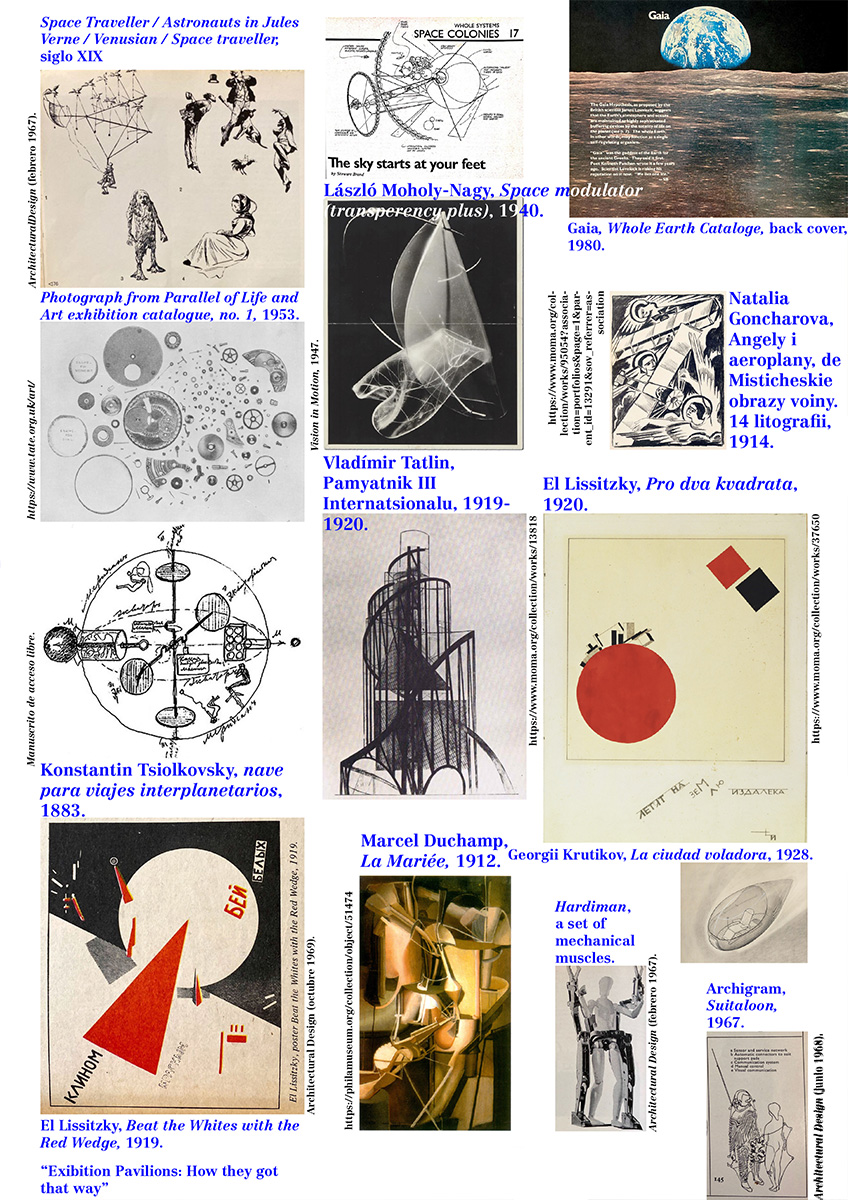
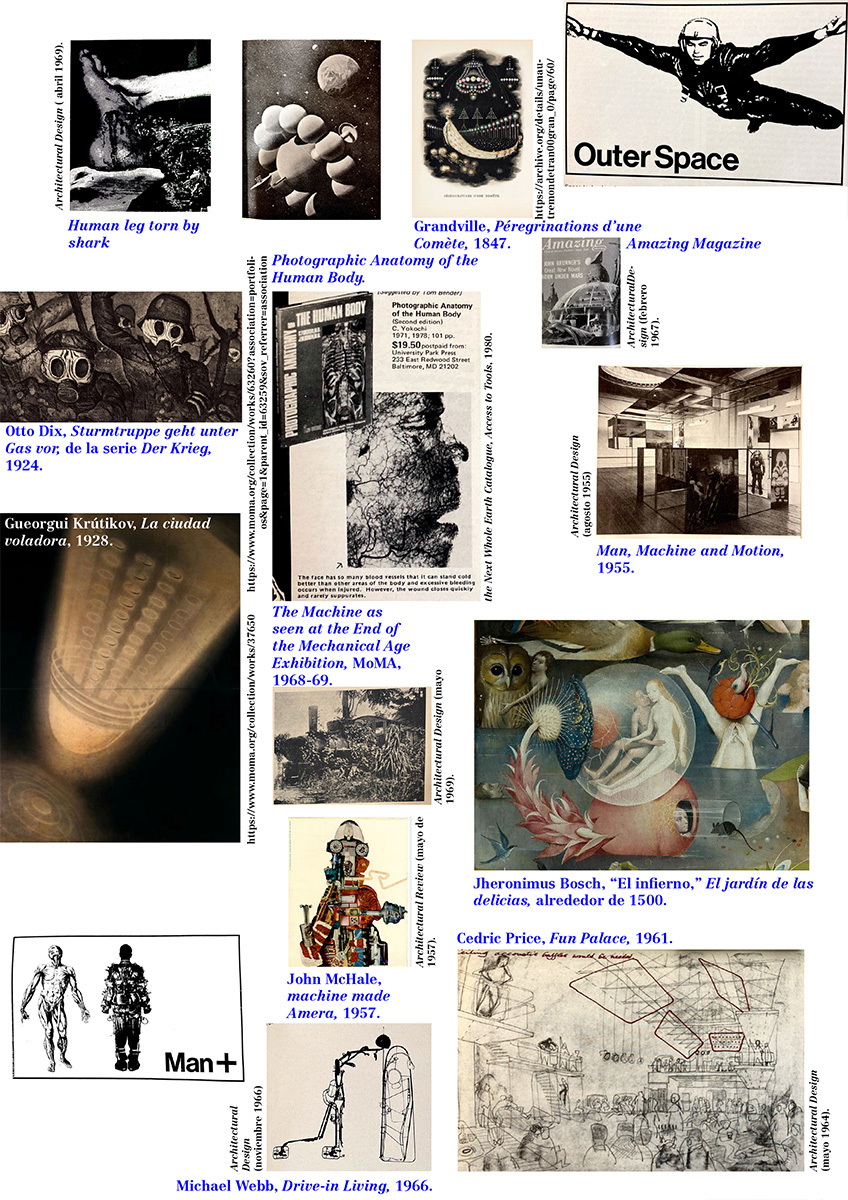
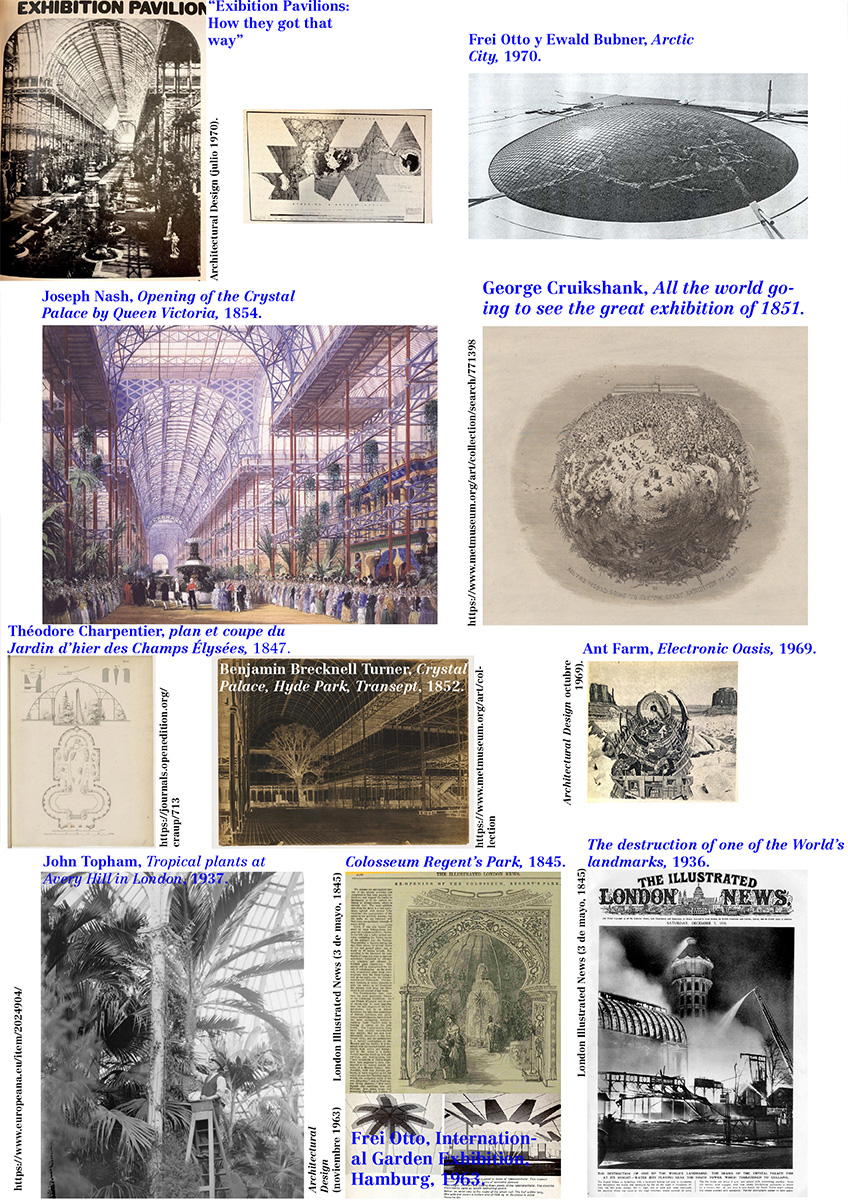
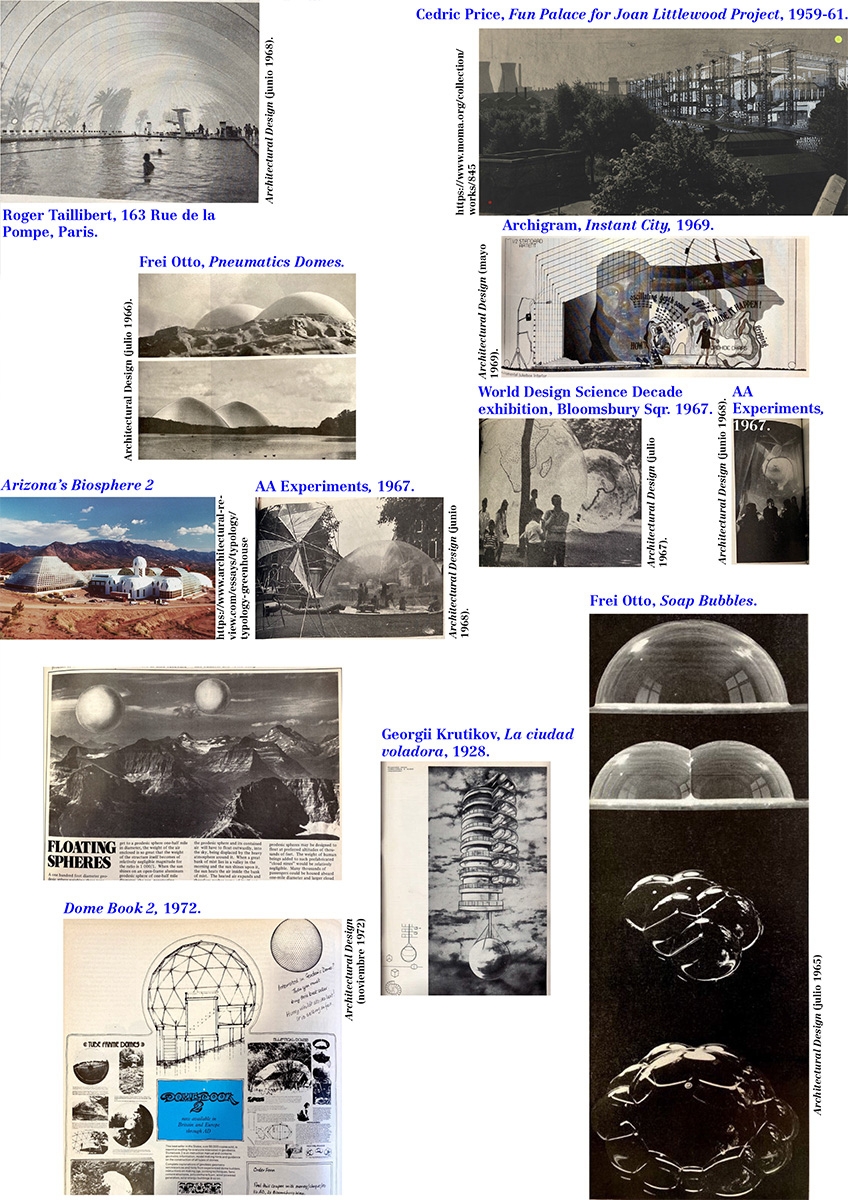
The membrane is the protagonist of the exchanges between interior and exterior. It is not only a material and technological construction, but also the site where cultural, political and social tensions collide. To understand its transformation, the thesis is framed as a diptych between an old world and a new one—a critical journey through the imaginaries that have shaped space as filter, boundary, or living surface.
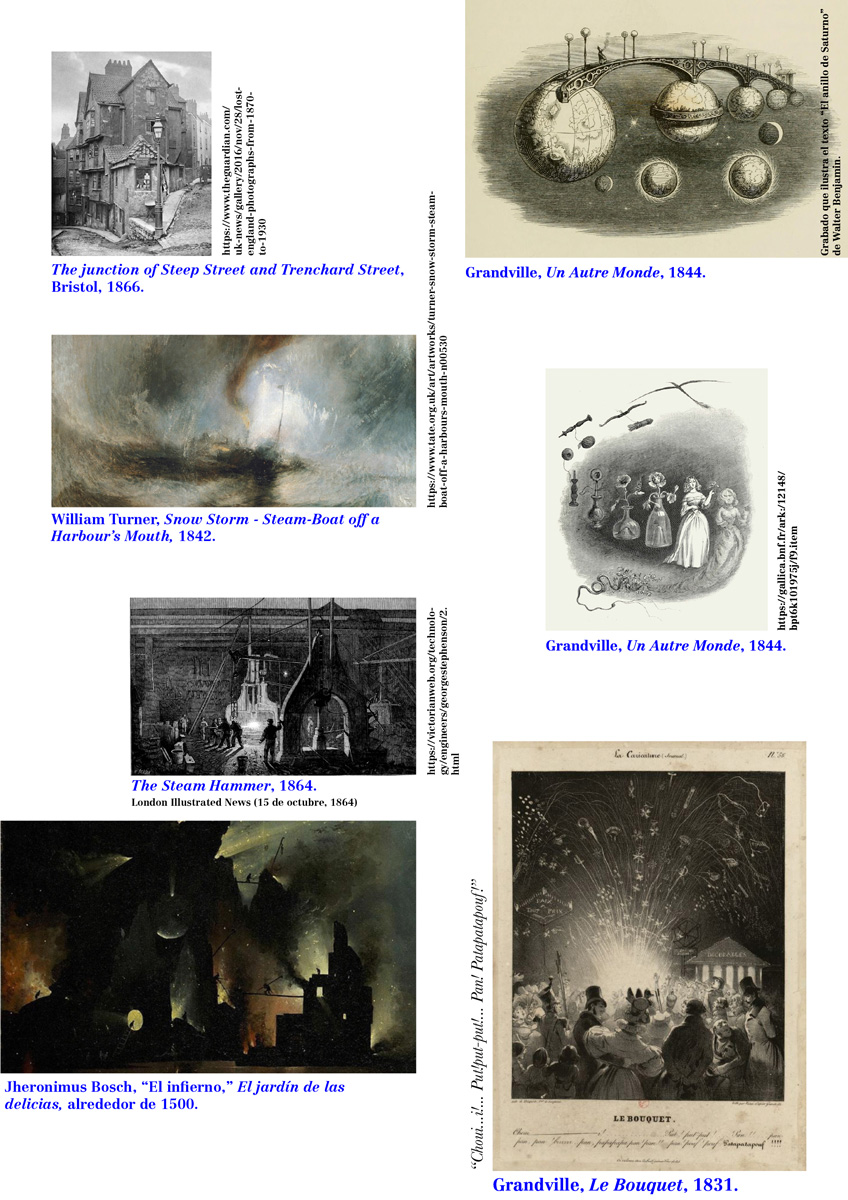
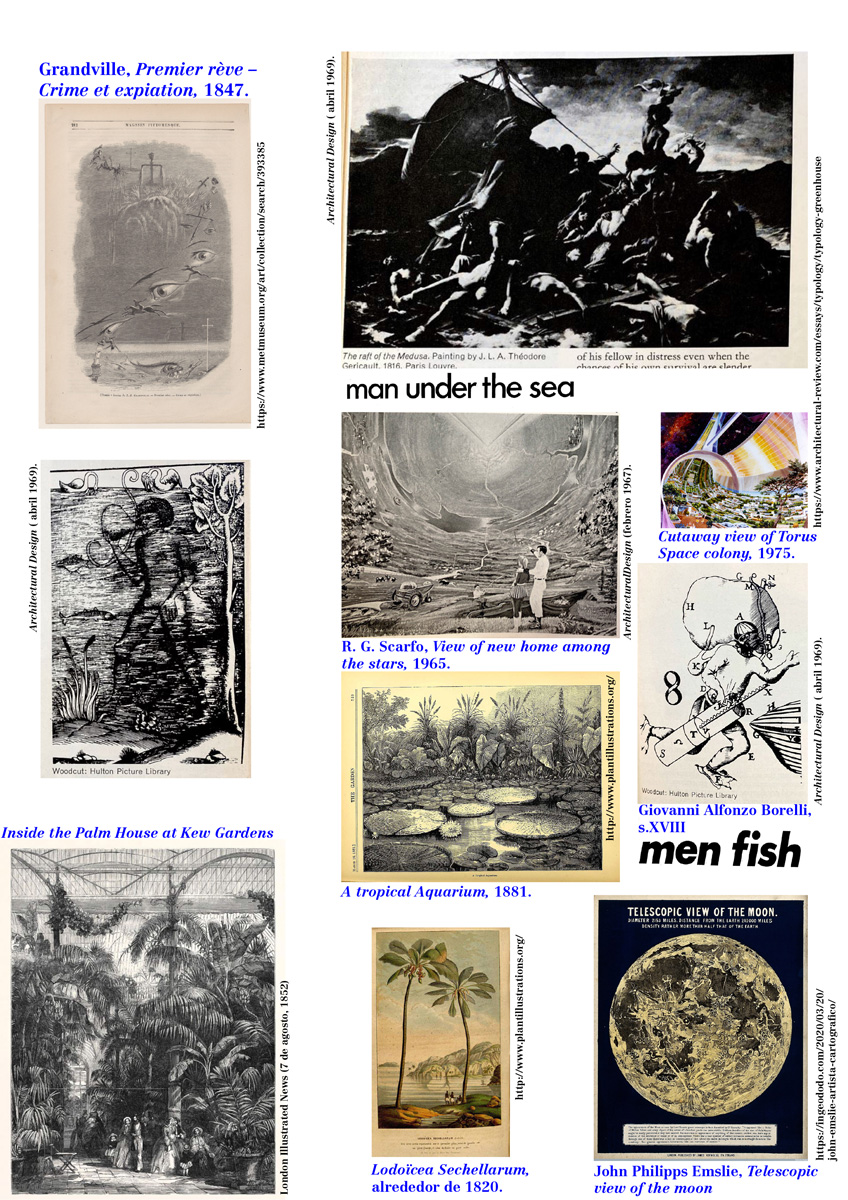
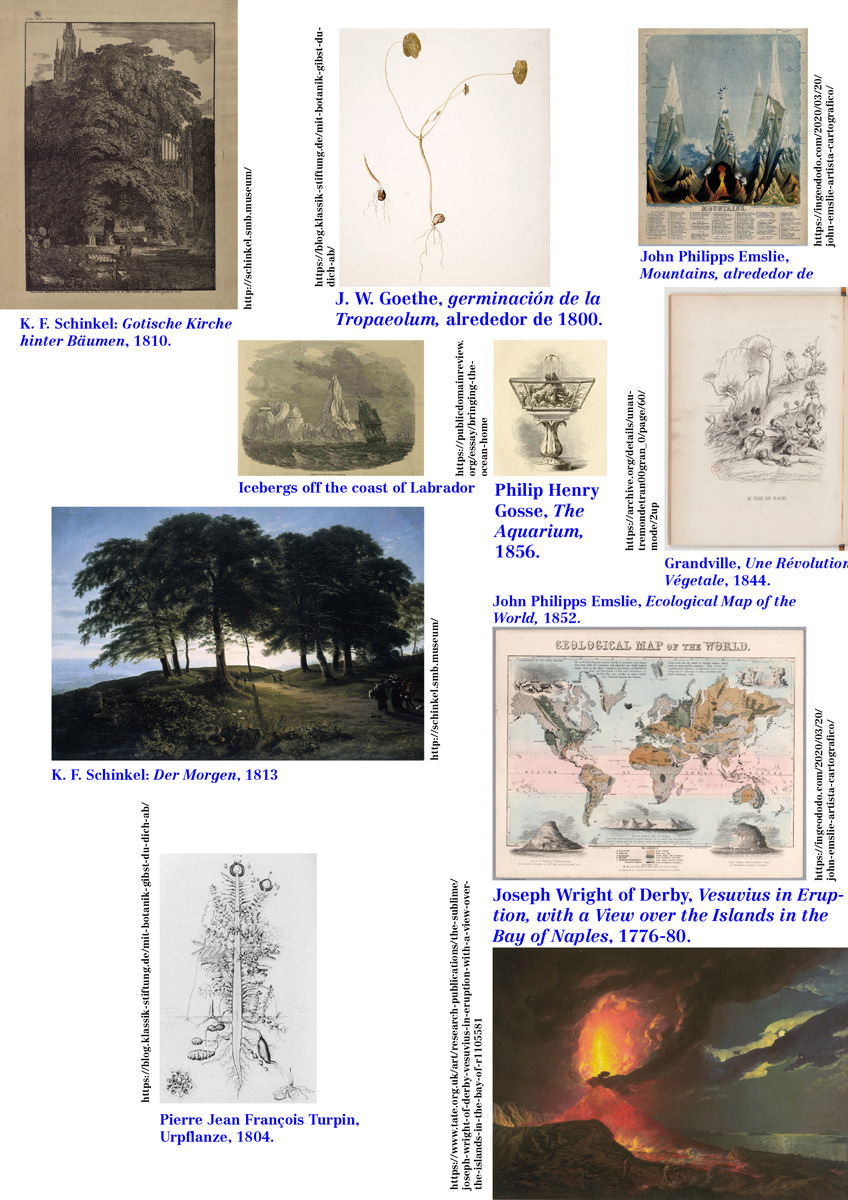
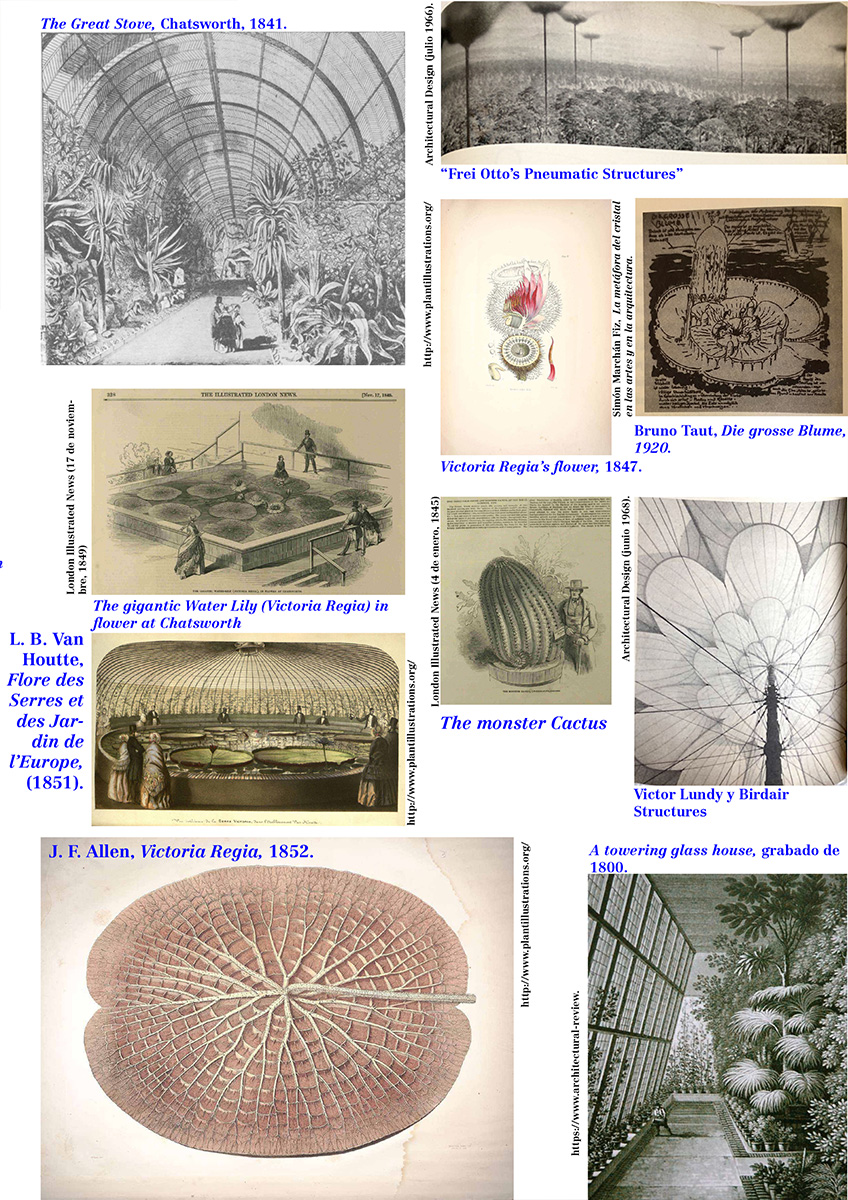
From the 19th-century greenhouses, born from colonialist ambitions to house exotic species, to the hermetic and spatial utopias of the post-war period, the research traces the symbolic, political and ecological role of the membrane through two key references:
— The Arcades Project (Das Passagen-Werk) by Walter Benjamin, a montage of modern matter and planetary imagination;
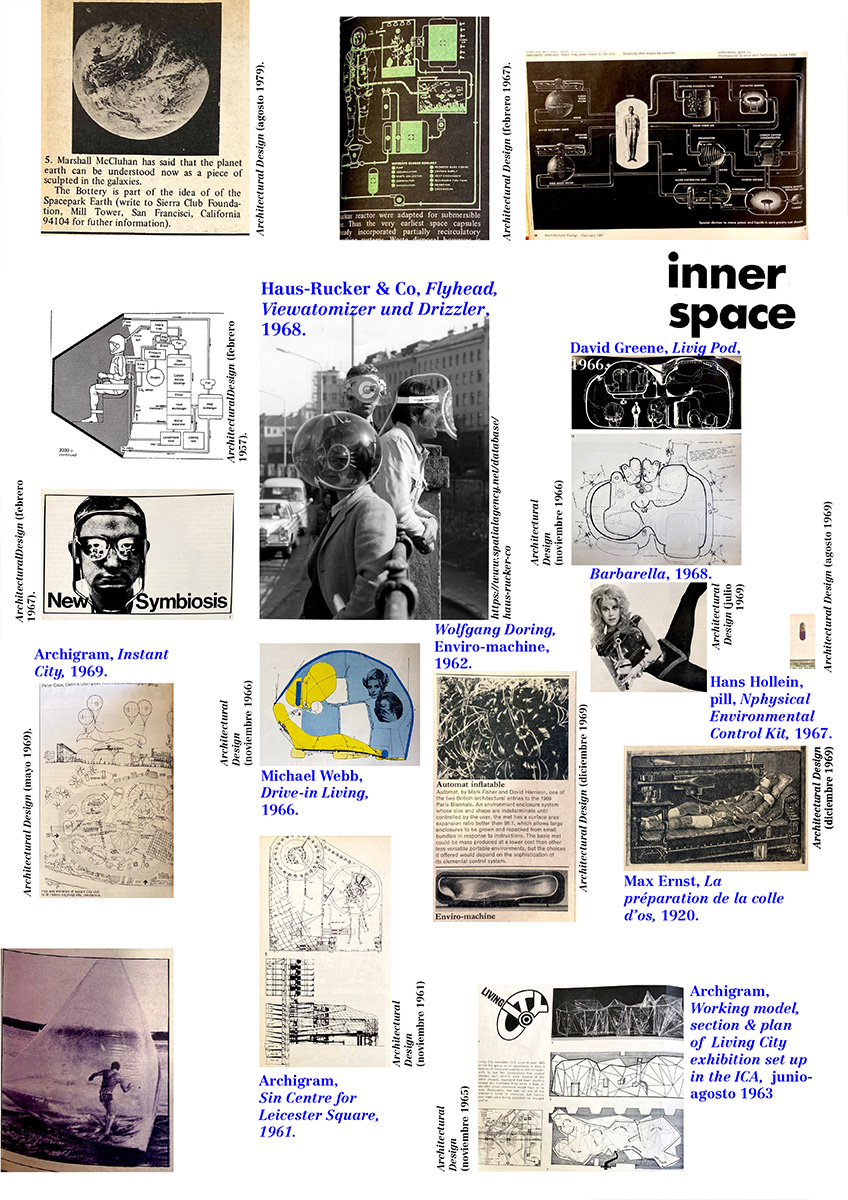
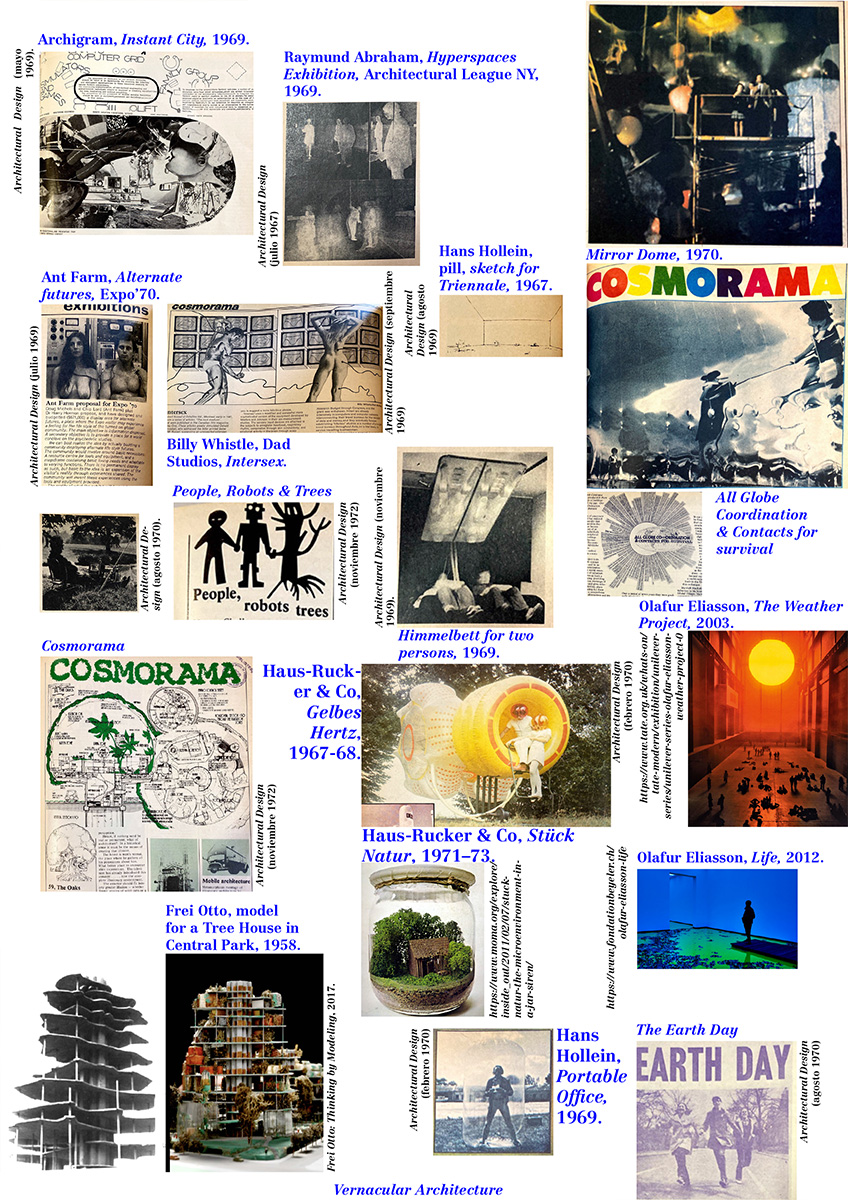
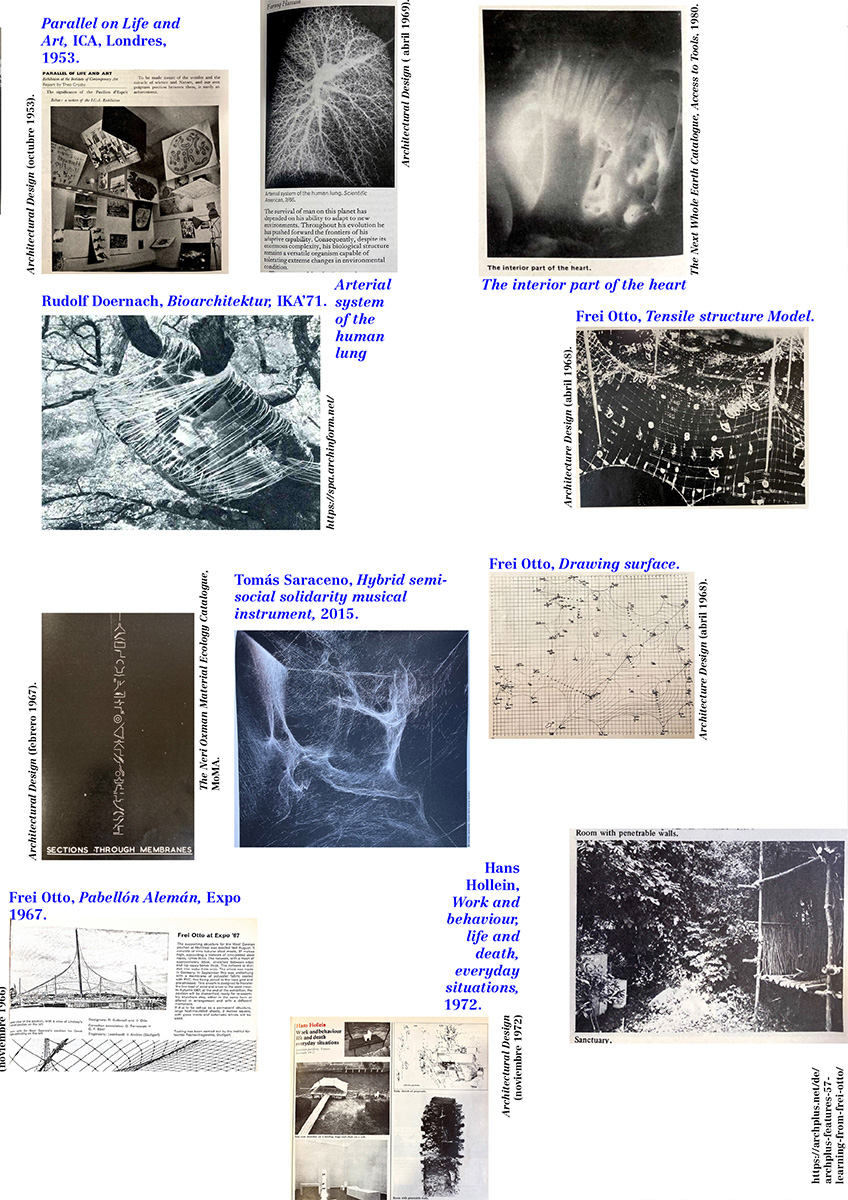
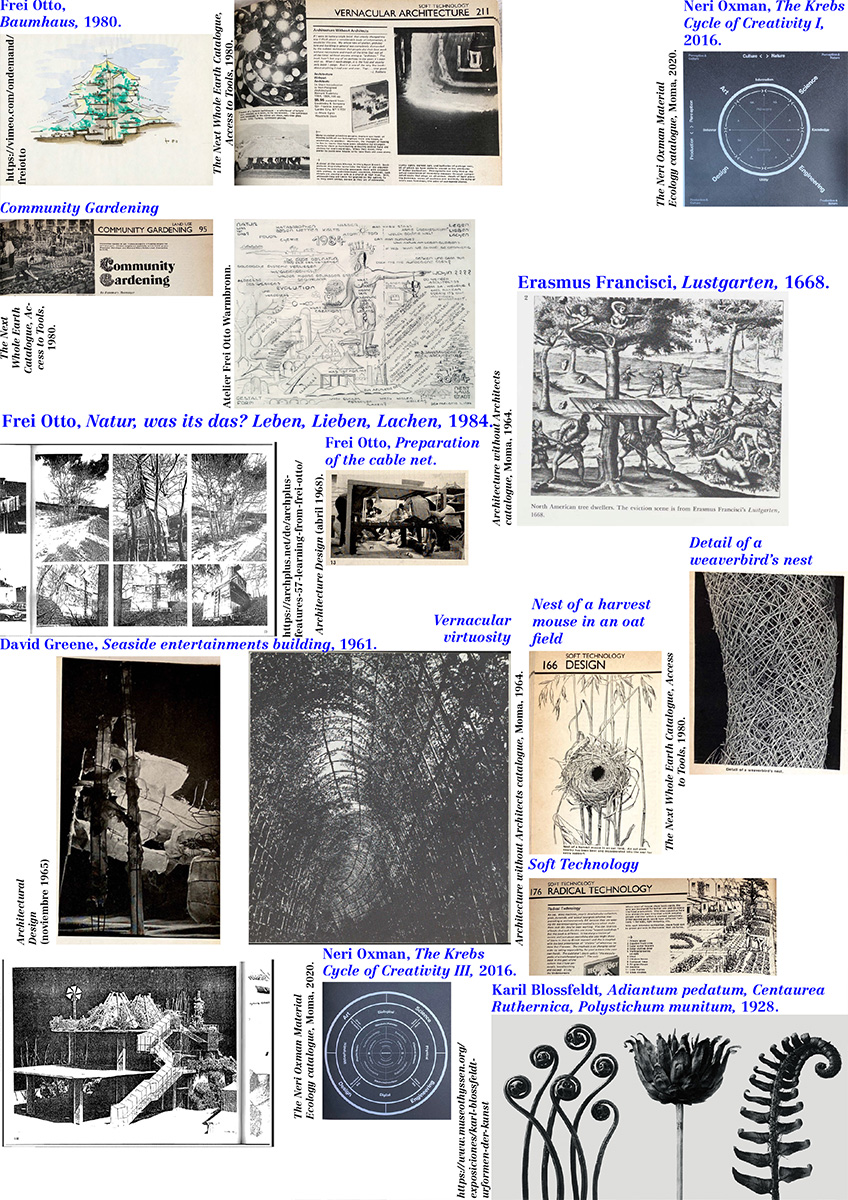
— and the journal Architectural Design in the 1960s and 70s, as a platform of resistance to early avant-garde mechanical analogies and a reflection of emerging environmental consciousness.
Both Benjamin’s work and the post-war publications act as retroactive manifestos: their relevance still resonates today.
The thesis concludes with the study of a specific case that stands as a counterpoint to dominant techno-scientism and addresses the ecological crisis of the 1970s. From there, it draws two diverging paths that are still open today: the membrane of neoliberalism and that of a world yet to awaken.
Full title: Between Two Worlds: Sources and Imaginaries of Space as Membrane. From the Victoria Regia House (1850) to the Ökohaus in Tiergarten (1988)
“Between two Worlds: sources and imaginaries of Space as Membrane”